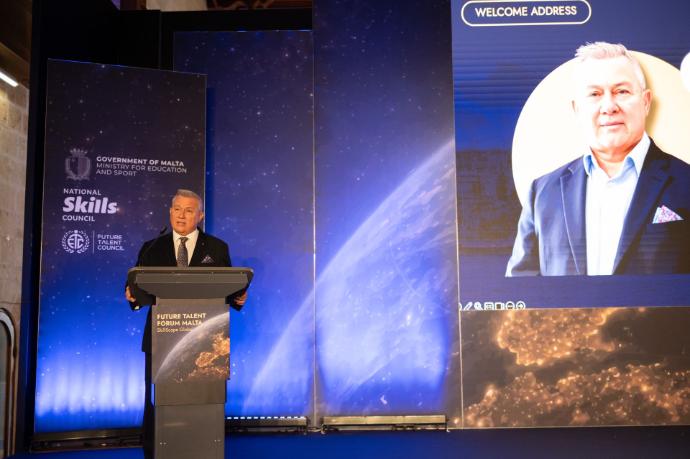
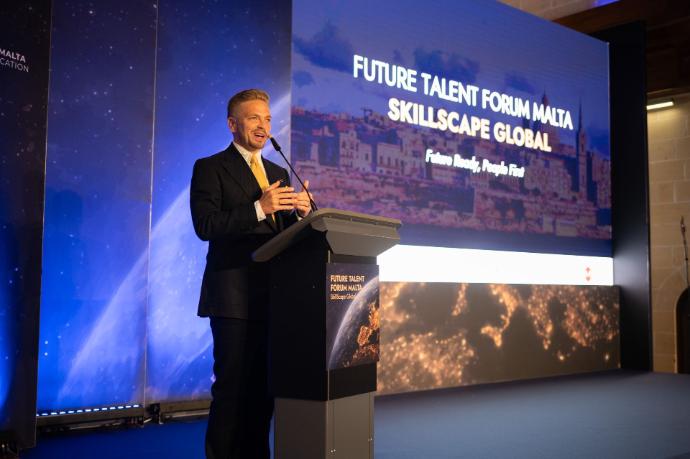
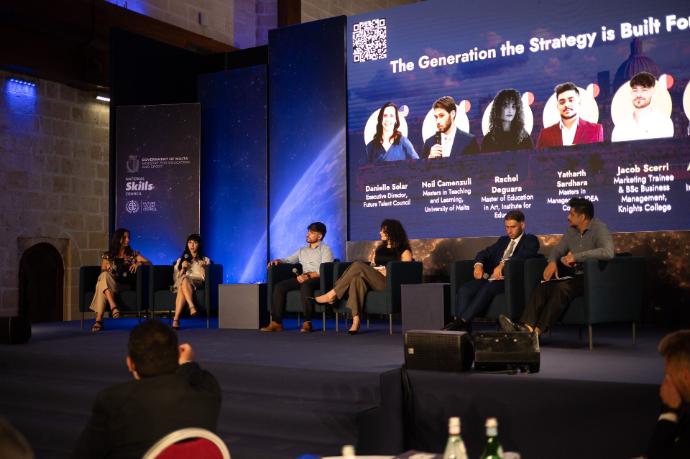
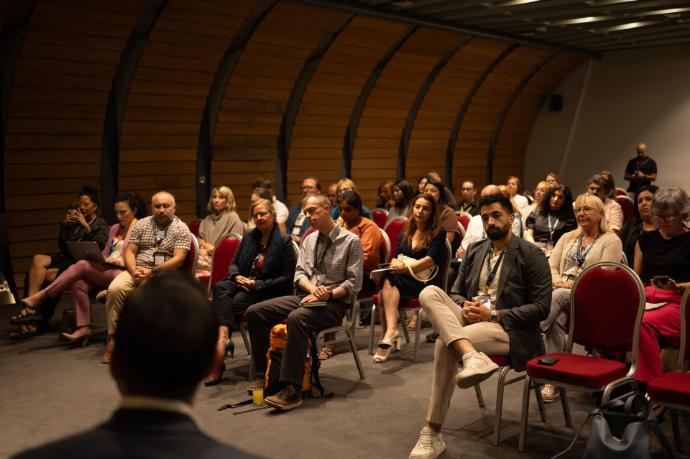
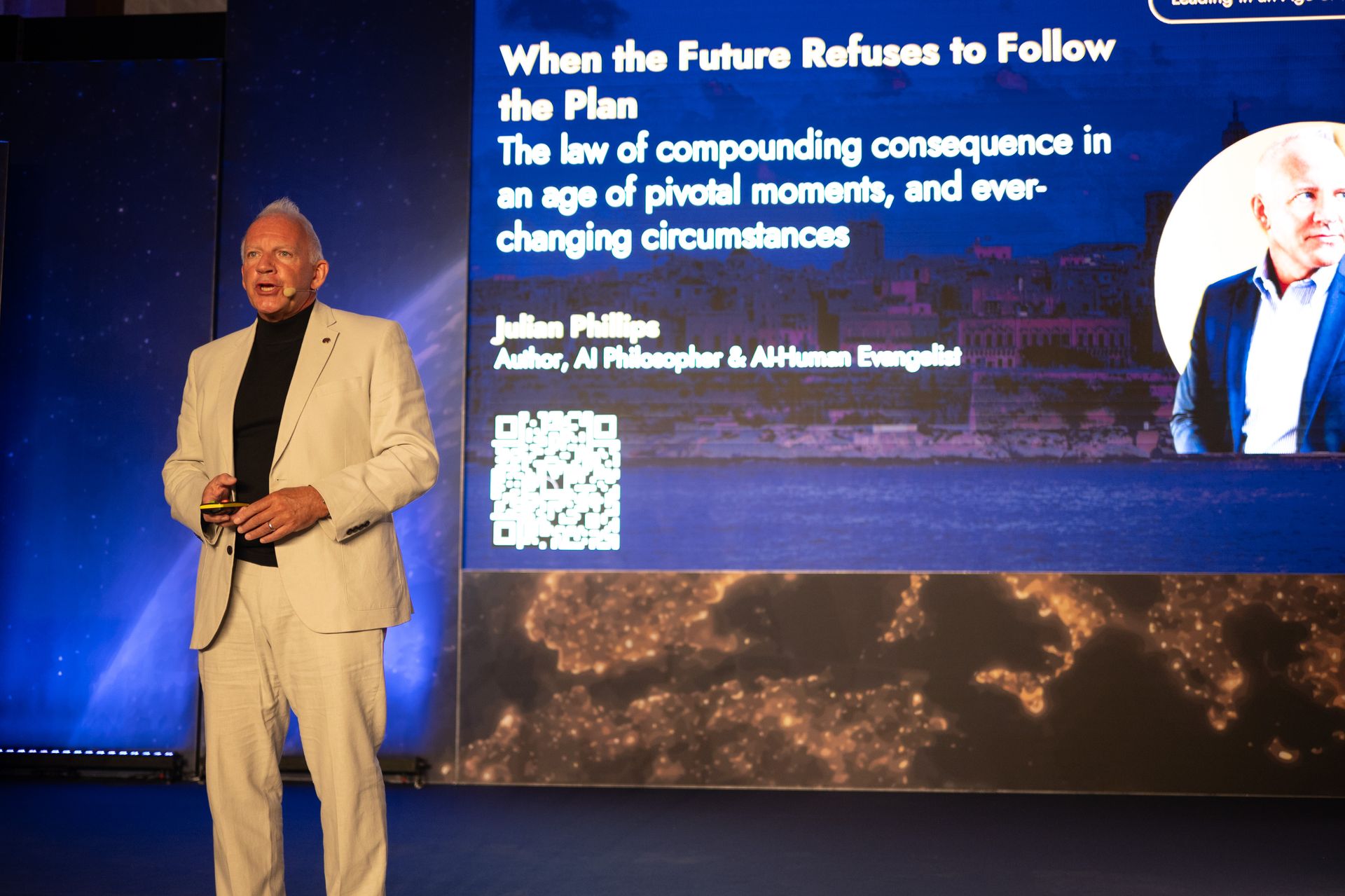
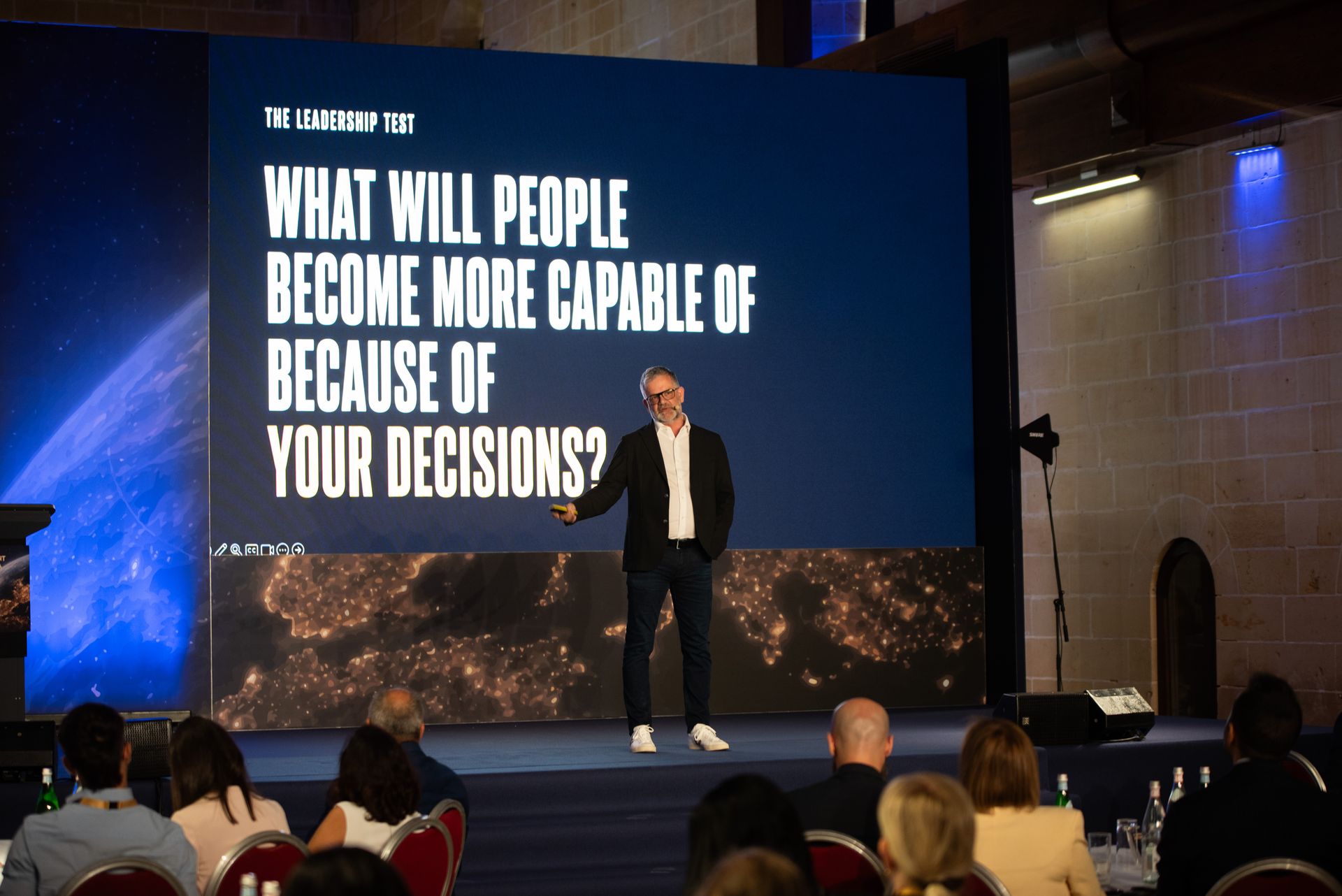
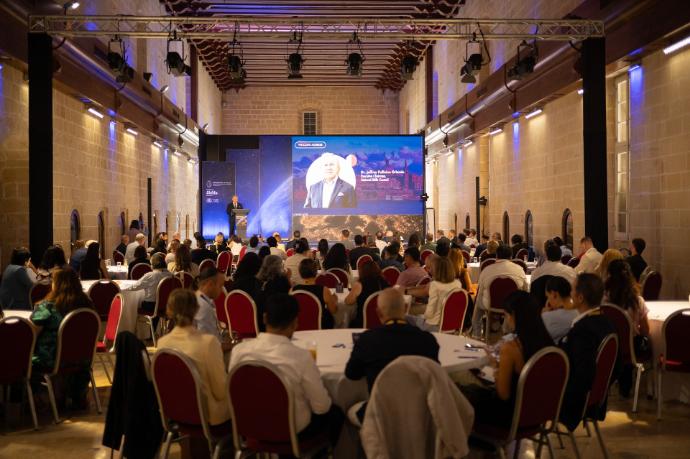
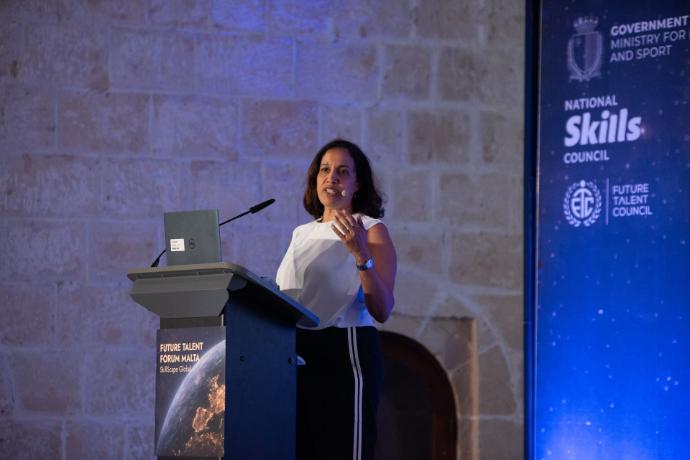
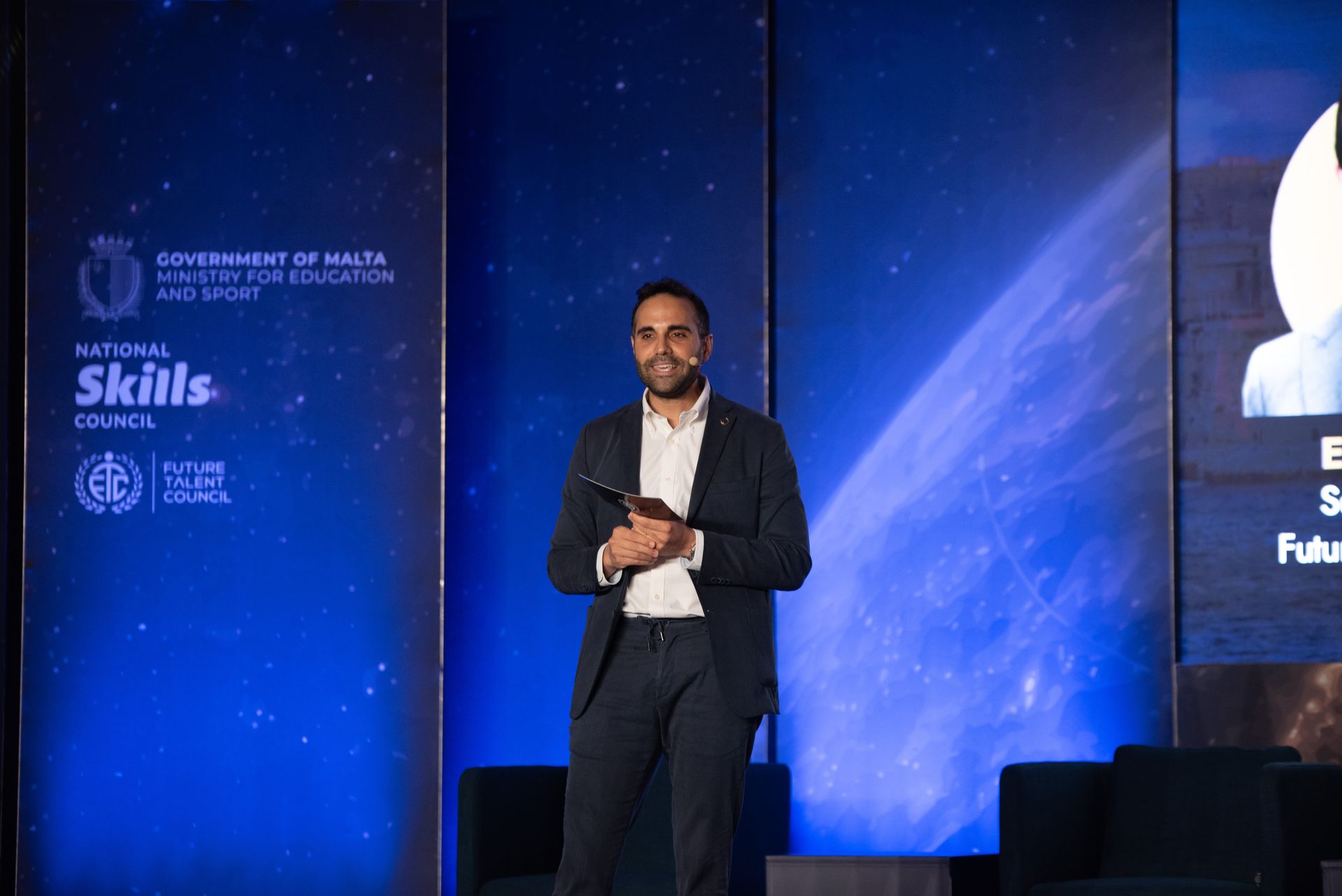
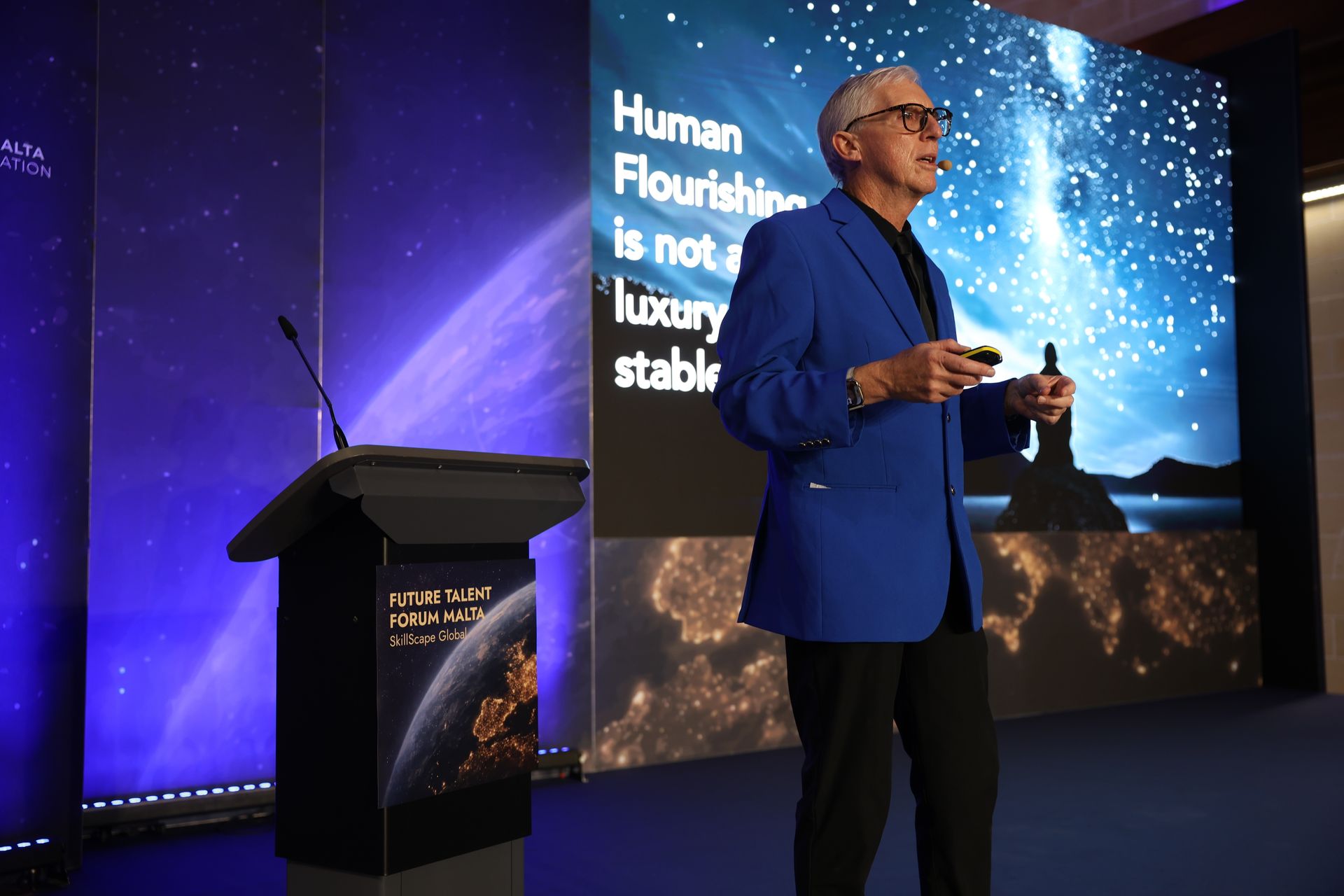
‘Future Ready, People First’ was the tagline highlighted during SkillScape Global, where Malta welcomed international leaders from government, business and education as the Future Talent Forum Malta, took place at the Mediterranean Conference Centre in Valletta.
The two-day international forum was co-organised between Malta’s National Skills Council and the Future Talent Council, building on the success of the National Skills Council’s annual SkillScape initiative and taking it onto an increasingly international platform.
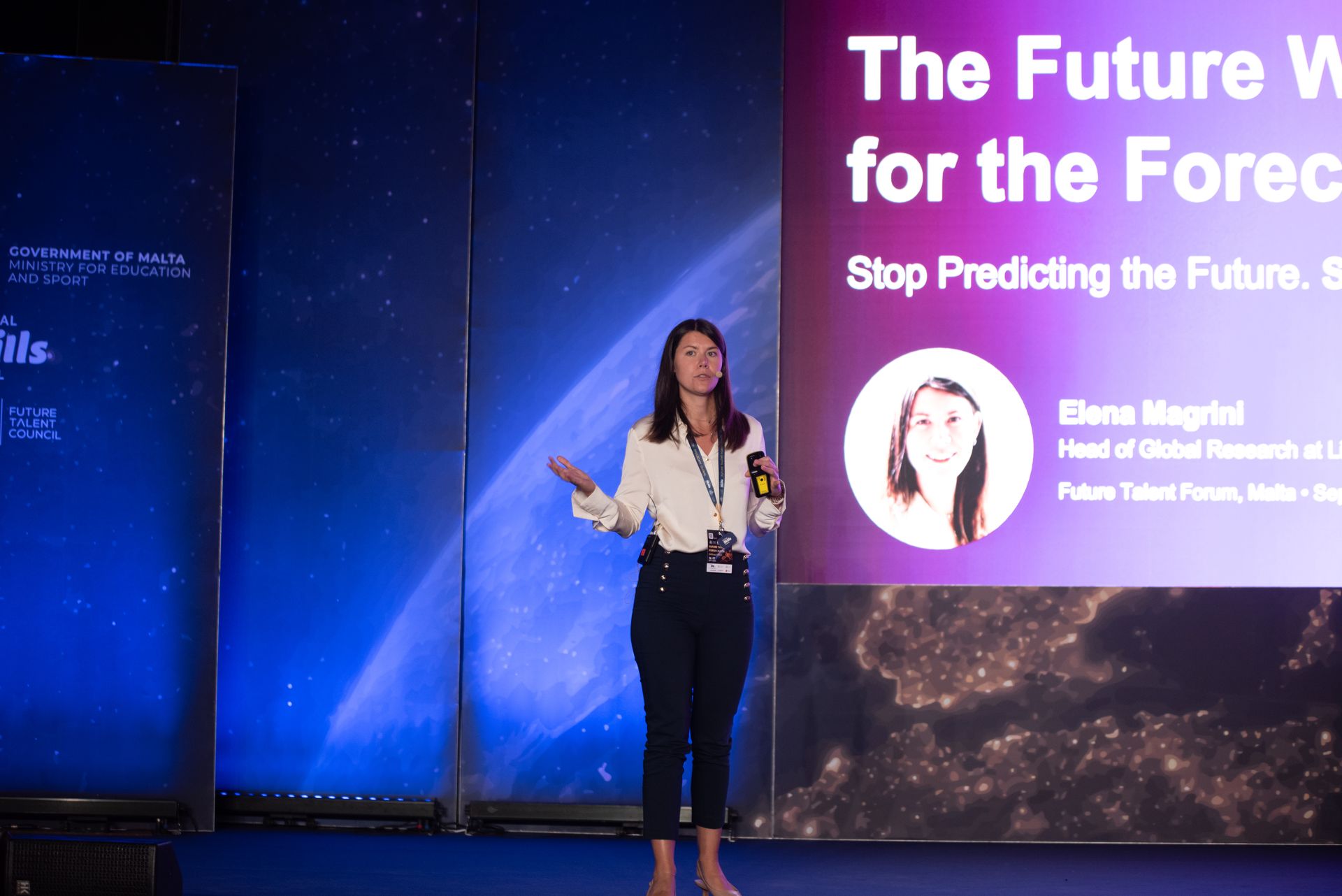
Under the theme ‘Building Future-Ready Workforce Systems for Every Learner & Worker’, the Forum focused on one of the defining challenges countries faced at the time: how governments, education systems and employers could move beyond predicting the future of work and start building practical systems capable of responding to rapid technological, economic and social change.
Artificial intelligence featured prominently throughout the discussions. However, the Forum looked beyond technology itself, examining how human judgement, adaptability, lifelong learning and resilience could become central components of workforce and education systems.
The programme brought together international and Maltese perspectives through keynote addresses, cross-sector panels, focused roundtable discussions and facilitated exchanges. Discussions explored the AI jobs market, national AI strategies, future skills, lifelong learning, employer-education partnerships, hybrid intelligence and the changing role of talent leadership.
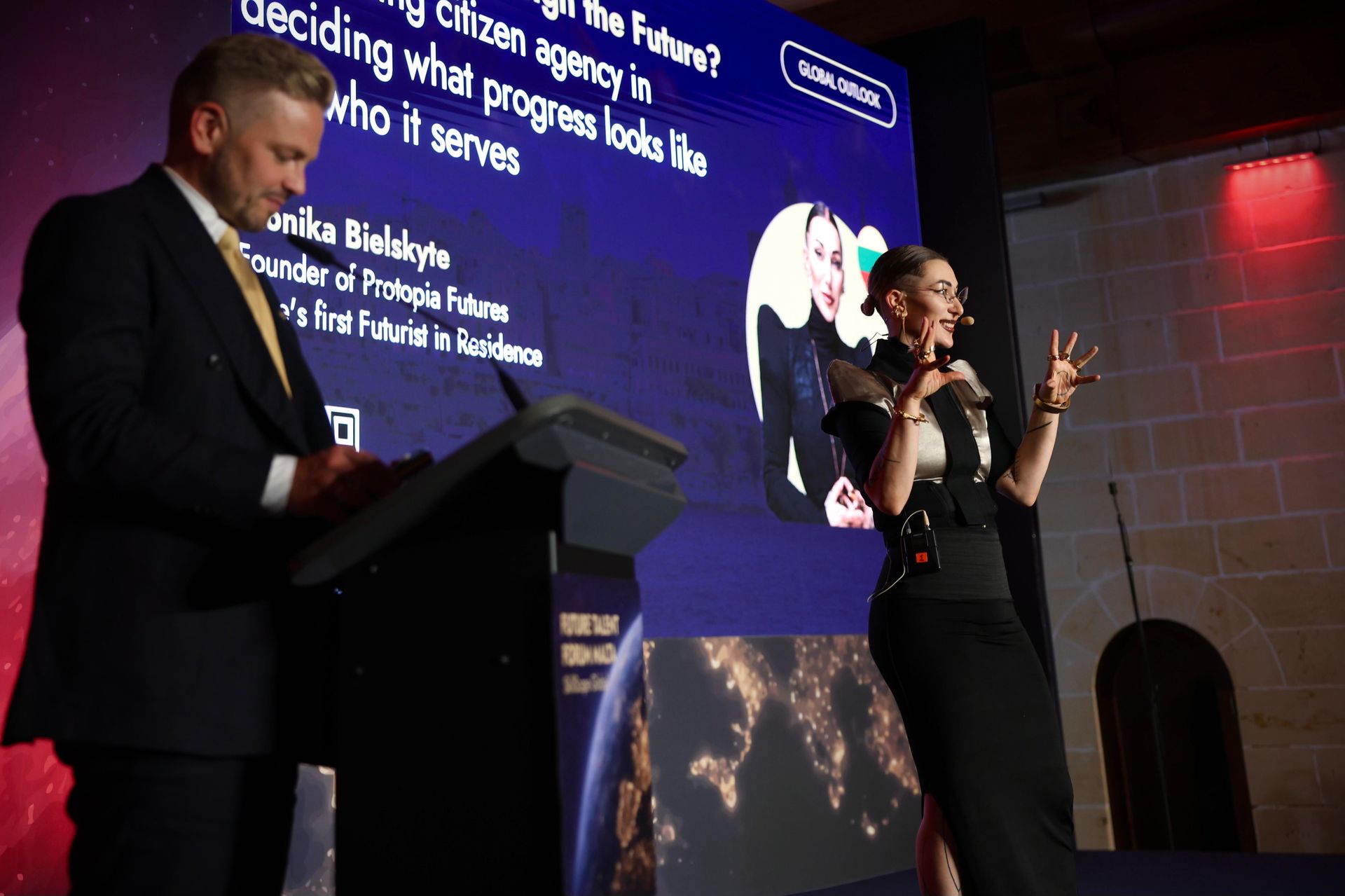
Among the international contributors present at the Forum were Daniel Kjellsson, Director-General of the Future Talent Council; El Iza Mohamedou, Head of the OECD Centre for Skills; and Monika Bielskyte, NIKE’s first Futurist-in-Residence and Founder of Protopia Futures. Malta was represented at senior level, including National Skills Council Executive Chairman Dr Jeffrey Pullicino Orlando.
Dr Jeffrey Pullicino Orlando, Executive Chairman of the National Skills Council, said:
“SkillScape has always been about creating a space where we can challenge assumptions about skills and look seriously at what Malta needs for the future. Taking SkillScape onto a global platform is a natural next step. It allows Malta not only to learn from international experience, but also to contribute its own perspective as an agile small state that is actively rethinking how education, skills and the world of work need to evolve.”
Daniel Kjellsson, Director-General of the Future Talent Council stated that “Around the world, governmental, educational and business leaders ask me about what’s happening in Malta. The innovative investments in skills development and the impressive pace at which ambition has been turned into action, is generating interest globally. The technological pace of change we see today make fast-moving markets the new front runners.”
The Forum reflected a growing international shift from viewing skills as a static set of competencies towards understanding human capability and resilience as essential to economic and social competitiveness. As AI increasingly performed tasks traditionally associated with human knowledge and cognition, the focus moved towards how people applied knowledge, exercised judgement, adapted to change and continued learning throughout their lives.
This was particularly relevant for Malta as it continued to strengthen the connections between education, skills development, lifelong learning and labour-market needs.
The Forum's programme was organised around four broad areas: Global Outlook: Capital & Capabilities; Future-Ready Workforce Systems; From Insight to Action; and the Future of Education & Lifelong Learning. A dedicated focus was also placed on the voices of the next generation, recognising that young people should not simply have been prepared for a future designed for them, but should have had an active role in shaping it.
The choice of Malta as host provided an important setting for these discussions. Positioned between Europe, North Africa and the Middle East, Malta offered the perspective of a small island state and highly connected yet agile country navigating technological transformation, demographic change and rapidly evolving skills requirements.
The event also reinforced the National Skills Council's ambition to strengthen Malta's international links in the fields of skills intelligence, futures thinking and workforce transformation, while bringing international expertise directly into the national conversation.