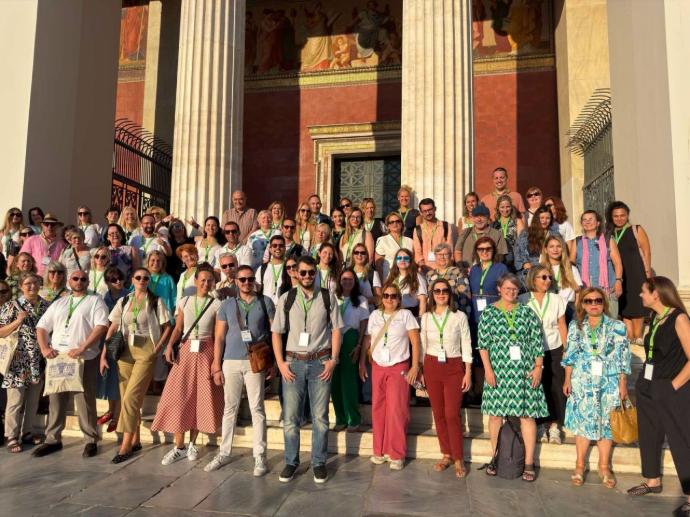
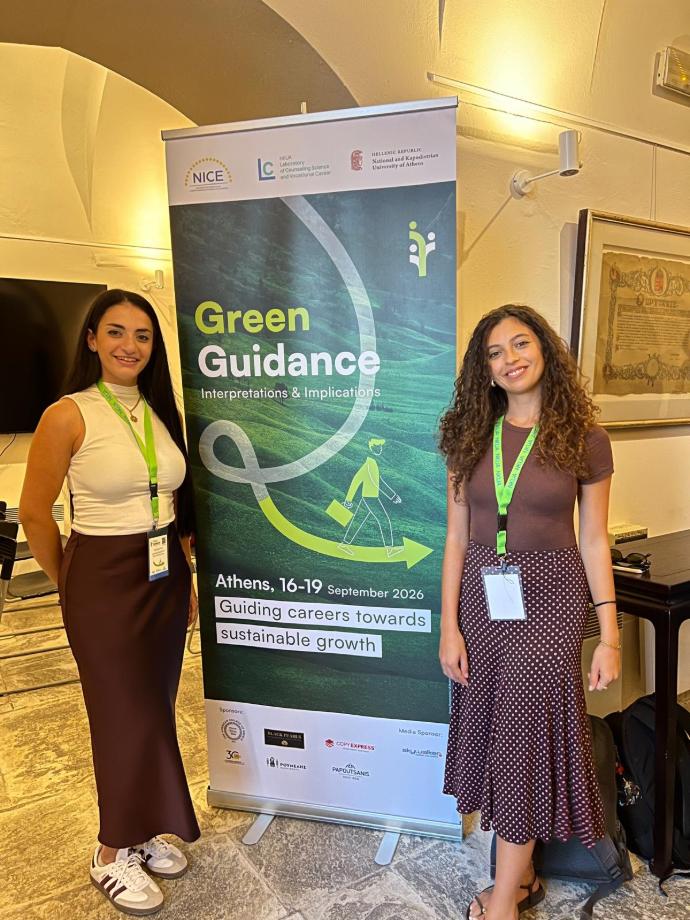
This year’s edition of the NICE Academy focused on Green Guidance: Interpretations and Implications. The international career guidance conference brought together researchers, practitioners and policymakers to explore this year’s theme, Green Guidance: Interpretations and Implications, and consider how career guidance can respond to a changing world.
Across the three days, discussions covered the green transition, lifelong learning, social inclusion, skills development, and the evolving role of career guidance. These sessions offered useful perspectives on how guidance can help people navigate changes in education, work and skills needs.
What does green guidance mean?
One of the strongest messages from the conference was that green guidance is not about directing or encouraging people to pursue “green jobs”. It is about helping people make informed career and learning decisions while considering personal wellbeing, opportunities and circumstances, as well as wider social, economic and environmental factors.
Rather than prescribing particular career choices, guidance practitioners can support people to reflect on what matters to them, understand the options available and make decisions that are right for their circumstances.
Lifelong learning is becoming increasingly important
A recurring theme throughout the conference was the importance of lifelong learning, upskilling and reskilling. People may need to develop new skills at different stages of their working lives as jobs and skills requirements evolve.
Career guidance can support this process by helping individuals recognise the skills they already have, identify opportunities to develop new ones and navigate transitions in their careers.
Skills matter across all occupations
Another important message was that the green transition is not only about new technologies or entirely new occupations. It also means changes to existing jobs and the skills needed to perform them.
Skills such as critical thinking, problem-solving, collaboration, adaptability, systems thinking and digital skills will therefore remain important across many different sectors and occupations.
Learning happens everywhere
Career development does not happen only through schools or formal training. People also develop valuable skills through volunteering, community projects, mentoring programmes and involvement in community organisations.
These experiences can help develop transversal skills such as leadership, communication, and teamwork. Career guidance can help people recognise these skills and understand how they can be applied to education, training and employment opportunities.
Inclusion must remain a priority
The Academy also highlighted the importance of ensuring that the opportunities arising from the green transition are accessible to everyone, including vulnerable and underrepresented groups.
This requires cooperation between education and training providers, employers, career guidance practitioners, community organisations and support services so that people from different backgrounds can access the guidance and opportunities they need.
What does this mean for career guidance?
The discussions at NICE Academy 2026 reinforced several priorities for the future of career guidance:
- supporting sustainable and meaningful career choices;
- encouraging lifelong learning, upskilling and reskilling;
- strengthening awareness of changing skills needs and labour market trends;
- recognising skills developed through non-formal learning and community experiences;
- keeping guidance inclusive and responsive to different needs; and
- strengthening collaboration across education, employment, industry and support services.
The NICE Academy reinforced the value of career guidance as a tool not only for
employment, but also for supporting wellbeing, inclusion, lifelong learning and
sustainable career development in a rapidly changing world.