National Skills Strategy 2026-2035
A national roadmap to strengthen skills in Malta and prepare people, businesses, and communities for the future.
Overview
The National Skills Strategy, developed by the National Skills Council, with support from the OECD and funding from the European Commission’s Technical Support Instrument, sets out a roadmap to empower people, businesses, and communities to thrive in a rapidly changing world. This is about more than education or training. It is about building confidence, resilience, and opportunity for all, from the student taking their first steps into the workforce, to the worker retraining for a new career, to those who thought learning was no longer for them. It is not intended to be a static policy document, but a living framework shaped by evidence, partnership and public engagement.
The public consultation for Malta’s National Skills Strategy has now been closed. Feedback received is currently being reviewed and evaluated as part of the next phase of the process.
Public
Consultation
Closed
Finalisation
of Strategy
Q3 2026
Launch of Strategy
Launch of Final Strategy
Q4 2026
Why This Strategy Matters
The way we work, learn, and build careers is evolving and the pace of change is not slowing down. This strategy sets out how Malta can respond with purpose, turning emerging challenges into practical opportunities.
The National Skills Strategy recognises that:
-
Skills are central to economic growth and quality of life
-
Learning is lifelong and lifewide
-
People need both technical and transversal skills (like creativity, adaptability, and problem-solving)
This strategy ensures Malta is prepared, not just for today’s challenges, but for tomorrow’s opportunities.
A Strategy Built on Evidence and Collaboration
This is not a top-down policy. The strategy was developed through:
-
Extensive stakeholder consultations
-
Collaboration with industry, education, and government
-
Technical support from international expertise, including the OECD
-
Alignment with national frameworks such as Malta Vision 2050
It reflects real needs, real challenges, and real opportunities across Malta’s skills ecosystem.
Strategy
Priority Areas
Policy
Recommendations
Stakeholders
The public consultation for Malta’s National Skills Strategy has now closed. The strategy documents remain available below for viewing and download, while feedback received during the consultation process is currently being reviewed and evaluated.
Skills are not limited to classrooms or qualifications. They shape the work we do, the choices we make, and the opportunities open to us over time. The National Skills Strategy brings together 30 policy recommendations that strengthen skills development across education, employment, and industry.
Organised around eight priorities, the strategy supports lifelong learning, workforce adaptability, and stronger collaboration, helping people and businesses respond to change with confidence.
Scroll through the priorities below to see how skills affect people, workplaces, and Malta’s future.

Priority Topic 1
Knowing What Skills Malta Really Needs.

Priority Topic 2
Helping People Navigate Skills And Career Choices.

Priority Topic 3
Supporting Educators And School Leaders.

Priority Topic 4
Equipping Learners of All Ages With Future
Skills.

Priority Topic 5
Making Lifelong Learning a Realistic Option.
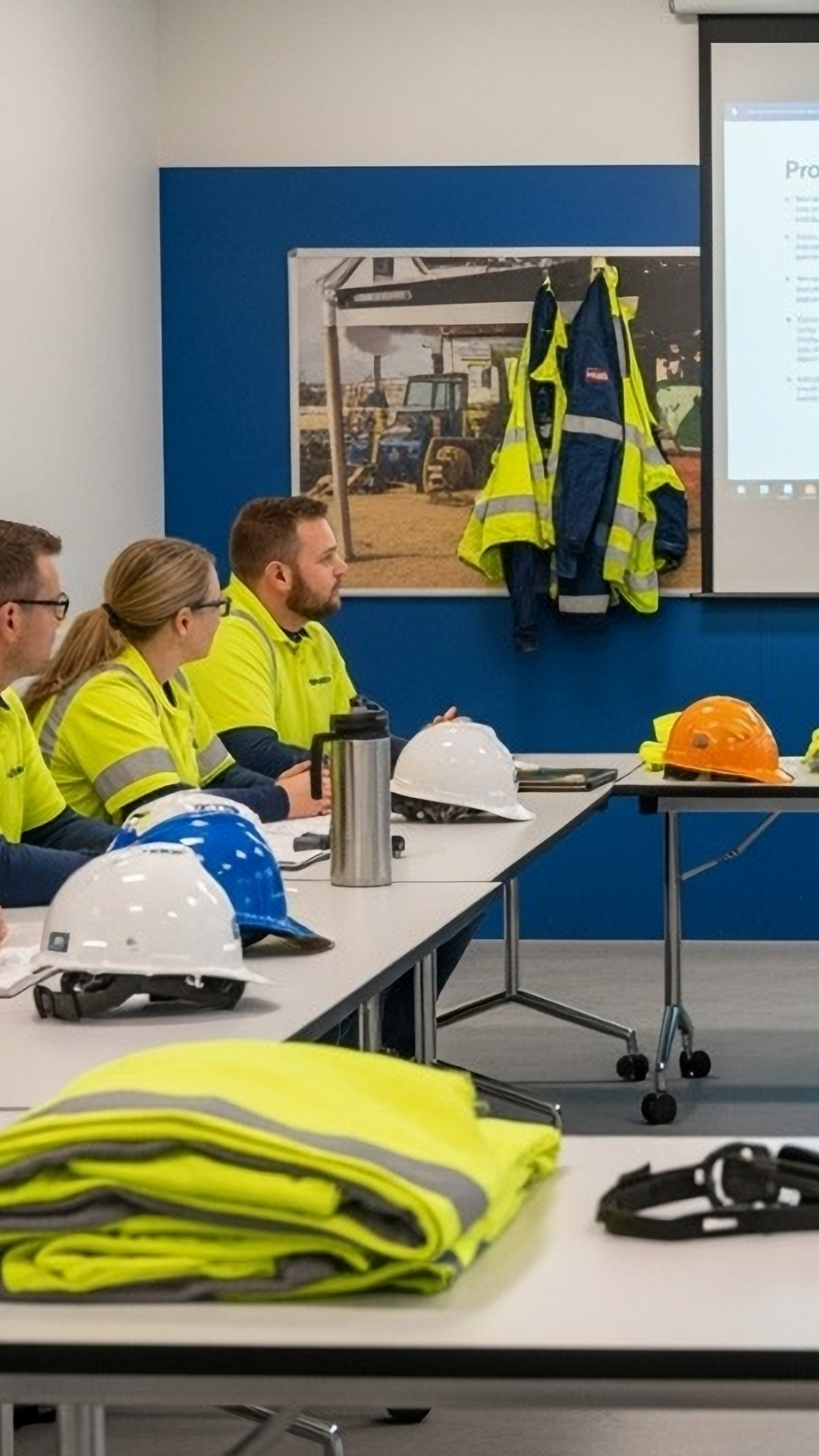
Priority Topic 6
Supporting Employers To Invest in Skills.

Priority Topic 7
Making Better Use Of Malta’s Talent.

Priority Topic 8
Strengthening
the governance of the skills system
.